
13 May 2026 · FurEver Yours
Your Blooming garden could be a Poison patch!
Daffodils, bluebells, foxgloves and tulips look lovely and feel quintessentially British. However, they are also surprisingly hazardous to dogs. A spotter's guide and what to do if your dog has had a nibble.

Spring in a British garden is mostly wonderful for a dog — long days, warm grass, new smells along every fence line. It’s also when some of the most photogenic plants of the year quietly become the most dangerous at nose height.
Here are the four worth knowing on sight. None of them are obscure: you’ll walk past at least one on every neighbourhood loop from March through June. A dog doesn’t have to eat much for any of these to cause a vet visit, and foxglove ingestion is genuinely an emergency.
1. Daffodils
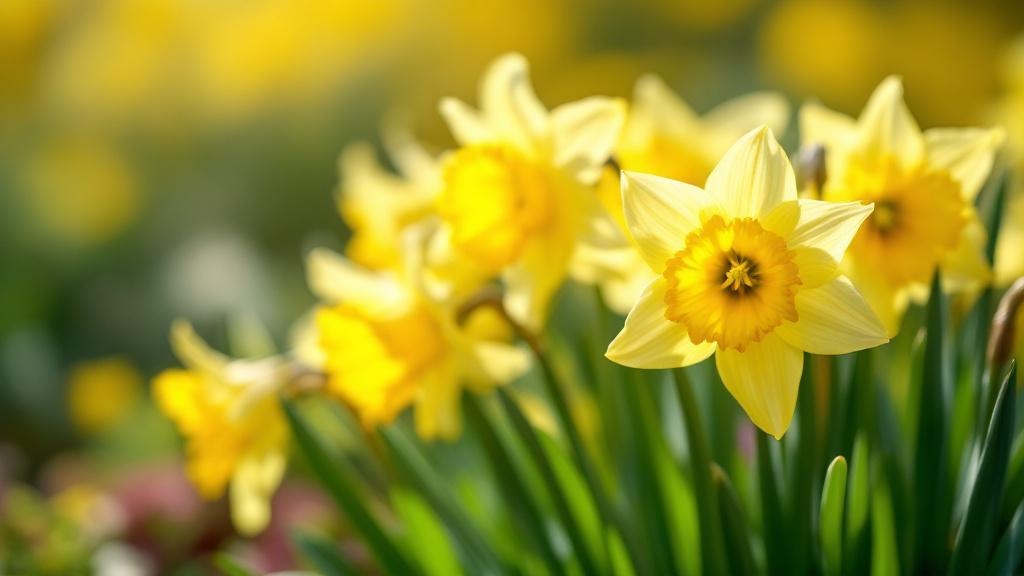
What you’re looking at. Trumpet-shaped yellow (sometimes white or peach) flowers on a stiff green stalk, usually 20–40cm tall. Bulbs sit shallow in the soil and dogs that dig will find them.
Why it matters. Every part of the plant contains lycorine, an alkaloid that irritates the gut. The bulb has the highest concentration — a single bulb is enough to cause symptoms in a medium-sized dog. Larger quantities can affect the heart.
What you’ll see if your dog has had some. Drooling, vomiting, diarrhoea, abdominal pain, lethargy. Usually starts within 2 hours of ingestion. Severe cases can show low blood pressure or arrhythmia.
What to do. Phone your vet. Bring a photo of the plant and an estimate of how much your dog ate. Don’t try to induce vomiting at home — your vet will decide based on the dog’s size and time elapsed.
2. Bluebells

What you’re looking at. Drooping clusters of bell-shaped blue-violet flowers on a single arching stem, peaking April to May. Native bluebells (Hyacinthoides non-scripta) are protected in the wild — but they’re also all over UK gardens.
Why it matters. Every part of the plant contains scillaren glycosides — compounds that interfere with heart rhythm in concentrated amounts. The bulb is the worst and the sap irritates skin and mouth.
What you’ll see. GI upset (vomiting, diarrhoea), drooling, sometimes lethargy. Cardiac symptoms — irregular heartbeat, slow pulse — are rare but possible after large ingestion.
What to do. Smaller exposures: vet phone call, monitor at home. Larger ingestion or any cardiac sign: same day vet visit.
3. Foxgloves
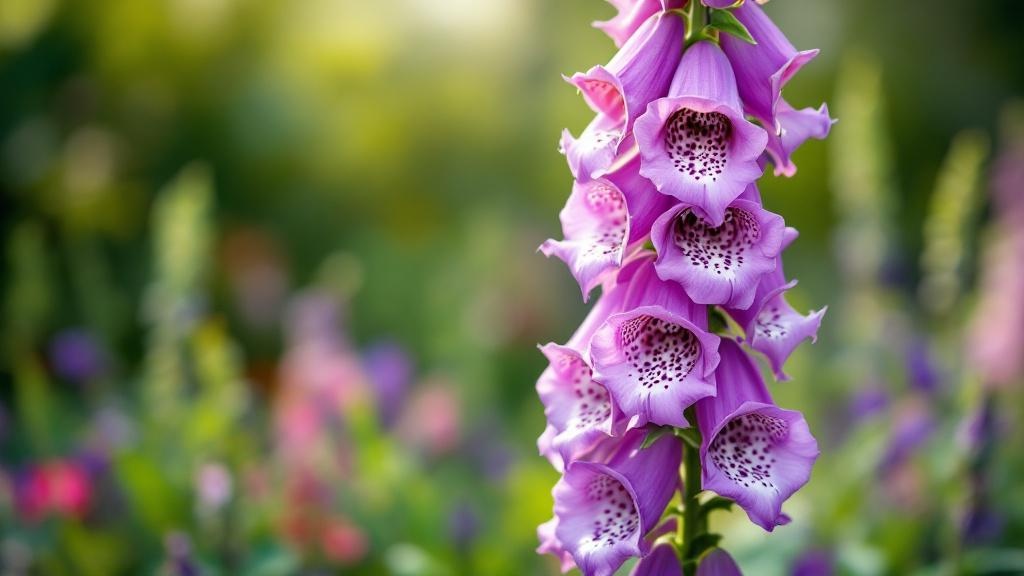
What you’re looking at. Tall (60–150cm) spike of tubular purple or pink bell-shaped flowers, white-spotted inside. Blooms May–July. Self-seeds freely, so often appears where it wasn’t planted.
Why it matters. This is the dangerous one. Foxgloves contain cardiac glycosides — the same family of compounds used to make digoxin, a prescription heart medication. There’s no safe amount for a dog. Even a few leaves can cause serious cardiac symptoms. Cases have been fatal.
What you’ll see. Vomiting (often the first sign), drooling, weakness, slow or irregular heartbeat, collapse. Symptoms can be delayed several hours, which makes “wait and see” risky.
What to do. Emergency! Get to a Vet immediately, regardless of how much you think they ate. Take the plant (or a photo) with you. If your usual vet is closed, call an out-of-hours emergency line — the Animal Poison Line (01202 509000, premium rate) can advise while you drive.
4. Tulips
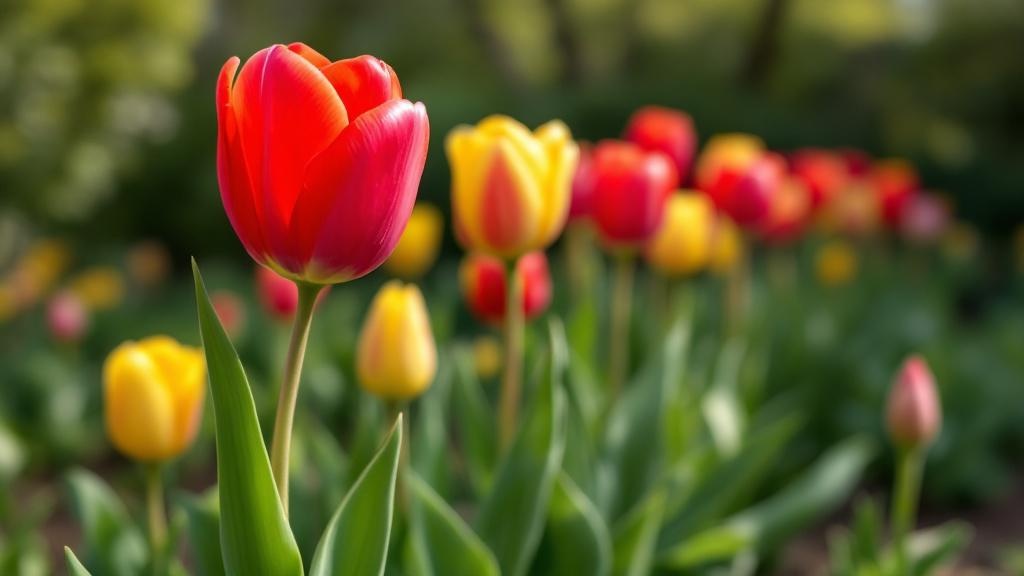
What you’re looking at. Cup-shaped flowers on smooth stems, in just about every colour from white to near-black. Peak April–May. Bulbs are planted shallow and dogs who dig — terriers especially — will find them.
Why it matters. All parts contain tulipalin A and tulipalin B, which irritate the gut and mouth. The bulb is the worst part by an order of magnitude. Large bulb ingestion can affect the heart.
What you’ll see. Drooling, vomiting, diarrhoea, depression, loss of appetite. Bulb ingestion: possible cardiac symptoms, breathing changes.
What to do. Any bulb-eating: vet visit. Mouthful of leaf or petal: phone the vet, expect to monitor at home.
A spotter’s habit worth building
You’re already good at noticing what your dog is up to on a walk. Adding one habit to the spring routine helps:
Before your dog steps off the lead, glance round once for tall purple spikes and yellow trumpets within reach. It takes three seconds and rules out 80% of the problem.
For your own garden: a quick audit at the start of spring. Note where any of these four are planted, and fence them off, lift the bulbs into a container the dog can’t reach, or accept that section is off-limits.
If something happens
Save these numbers in your phone:
- Your usual vet — first call always
- Animal Poison Line — 01202 509000 (£35–£45 per call, premium rate; 24/7)
- Vets Now — out-of-hours emergency network across the UK; nearest clinic at vets-now.com
When you call, have ready: the plant name (or a photo), roughly how much your dog ate, your dog’s weight, and when it happened.
What this doesn’t replace
This is a “know what’s in the garden” piece, not veterinary advice. If your dog has eaten any of these and you’re worried, phone a vet. The cost of a phone call is nothing compared to a missed emergency.
There are plenty of other UK garden plants worth knowing too — yew, laburnum, rhododendron, lily of the valley, and autumn crocus all deserve their own honourable mentions. A future Sniff Letter, perhaps.
Stay safe and enjoy the season!